

Reflections from our program manager, faith garnett
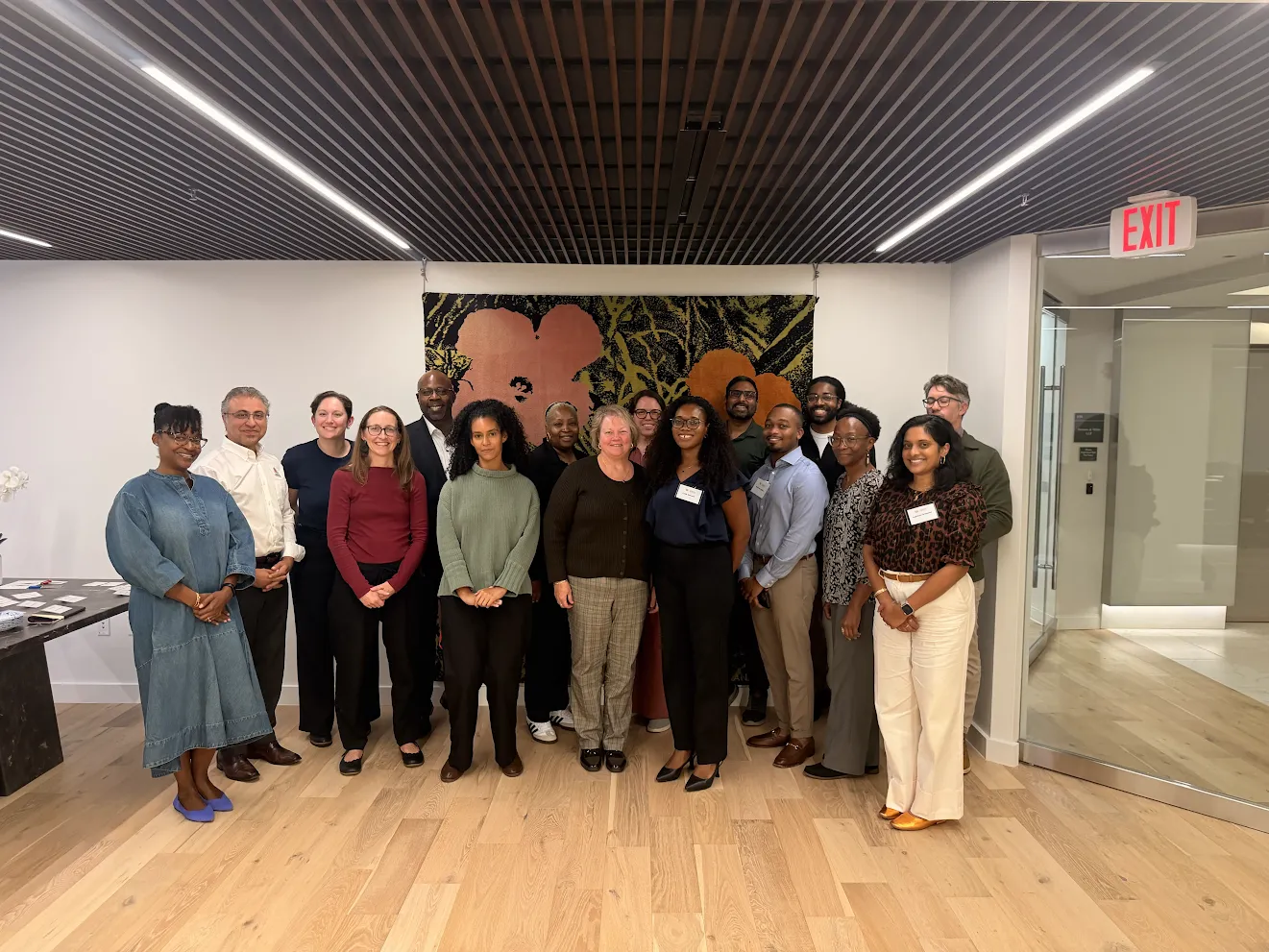
On October 8, Washington Area Women’s Foundation‘s Early Care and Education Funders Collaborative (ECEFC) brought together members and grantee partners for a learning session with Nat Kendall-Taylor, CEO of the FrameWorks Institute, on how narrative and framing shape the way people understand early care and education and other complex social realities.
One idea has stayed with me: how we communicate about a problem shapes where people locate the problem and where they look for solutions.
In early care and education, it is easy for the story to become one about individual families, educators, or programs: the choices they make, the pressures they face, or what they need to do differently. But that can obscure the larger forces shaping their experiences, including public policy, compensation, affordability, access, and investment. If we want people to understand why systems need to change, we have to help them see the system.
Nat offered some practical ways to do that: give data context rather than expecting numbers to speak for themselves; balance urgency with a clear sense that solutions are possible; and spend more time reinforcing the ideas we want people to understand than repeating the narratives we are trying to change. These are not simply communications techniques. They shape whether people can connect what they are seeing and experiencing to the larger forces producing it.
The conversation also reinforced that narrative change is collective. No single organization or message changes how people see an issue. It takes many voices across philanthropy, advocacy, organizing, community organizations, research, and media reinforcing a shared understanding over time.
I’m leaving the conversation with a question that feels useful well beyond early care and education: What are we putting on repeat?
Not simply what are we saying, but what understanding are we reinforcing through the stories, data, and explanations we choose to share?
Grateful to Nat for sharing his time and expertise, and to our ECEFC members and grantee partners for bringing their own experiences and perspectives into the conversation.


